The Tree Got a Rule.
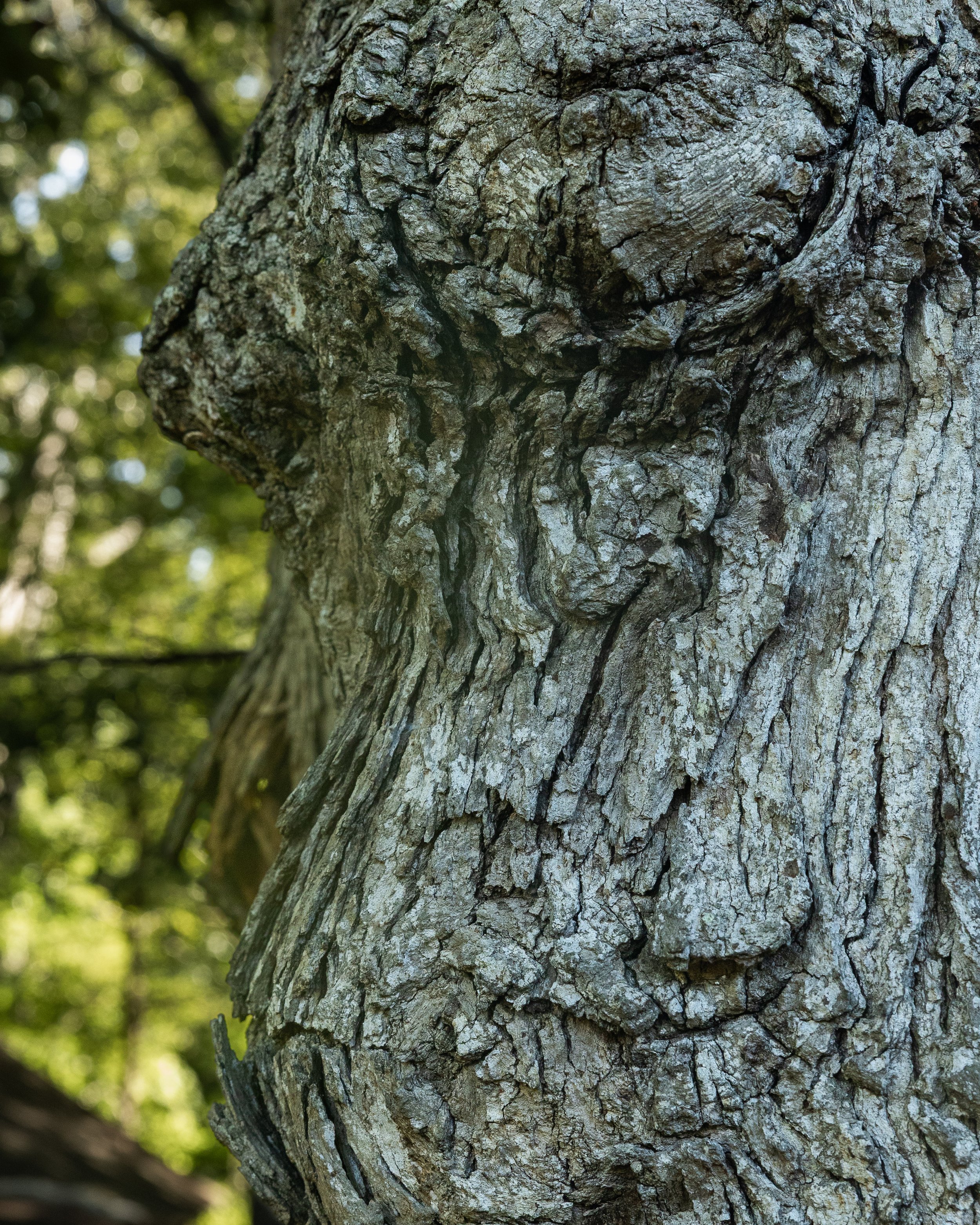
Photography: illustrative, shot in North Carolina — not the trees discussed.
Report — Community
The Tree Got a Rule
A neighborhood outside Montreal didn't ask a court to declare a tree alive. It asked a town council to make protecting it somebody's job. That's a smaller ask than it sounds — and it's why it worked.
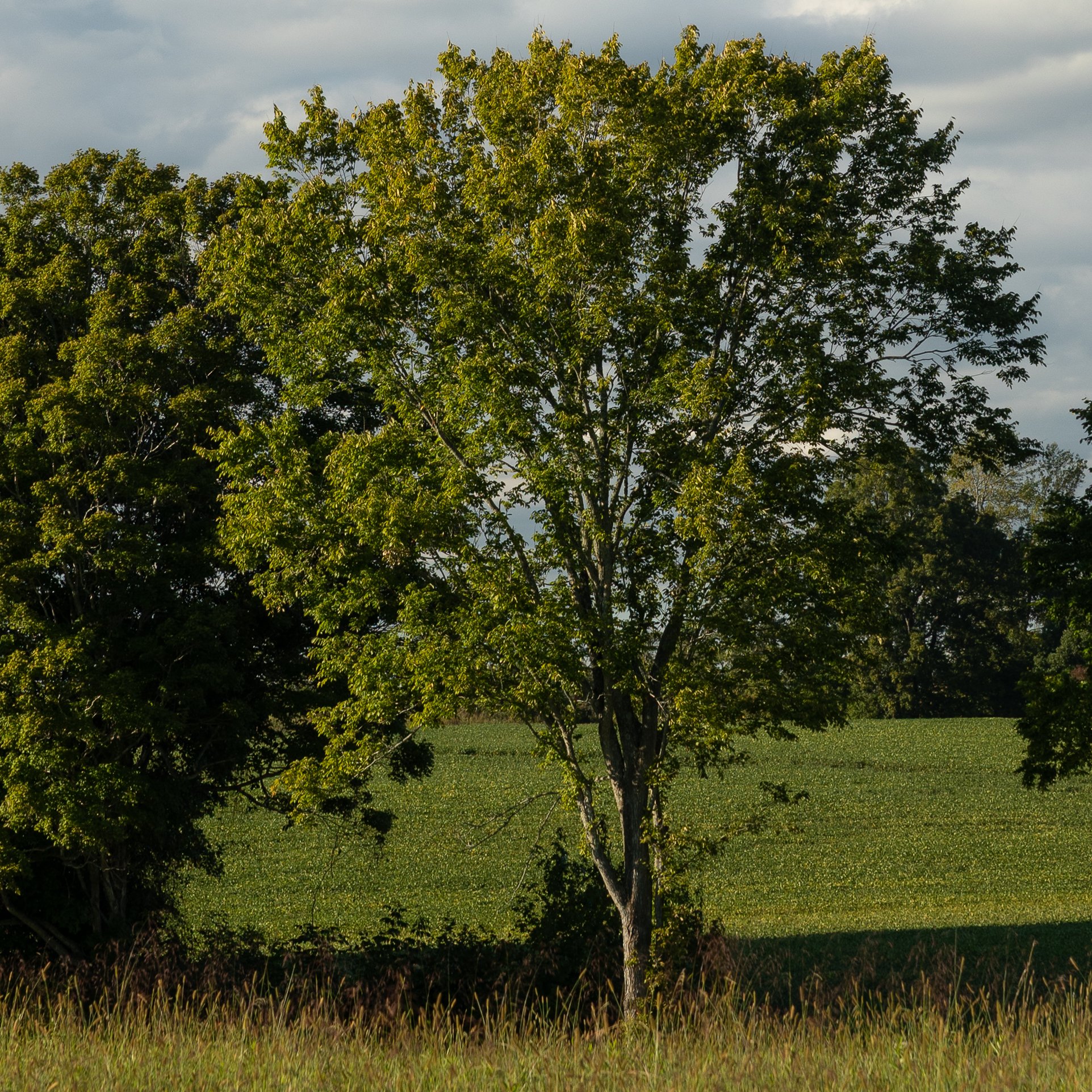
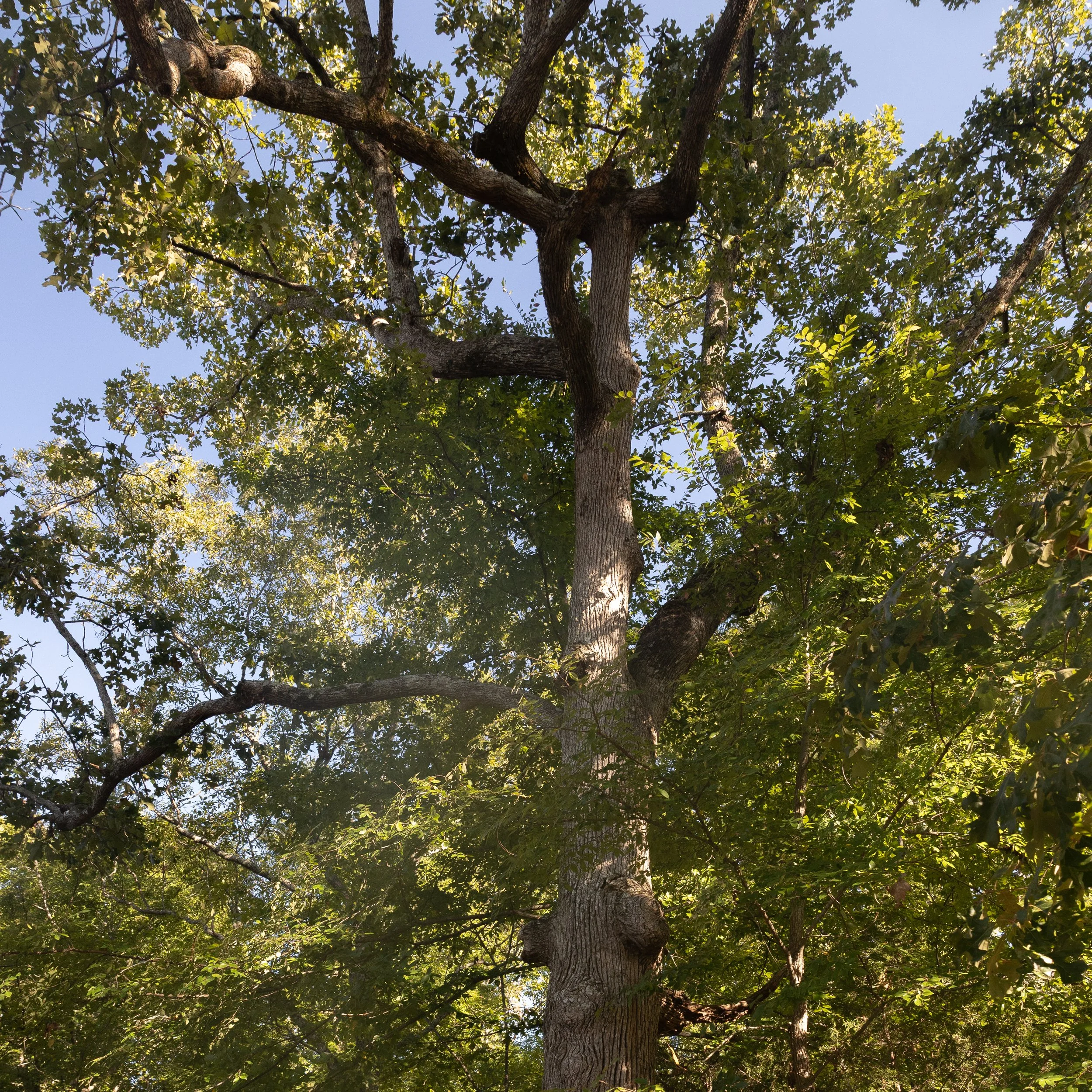
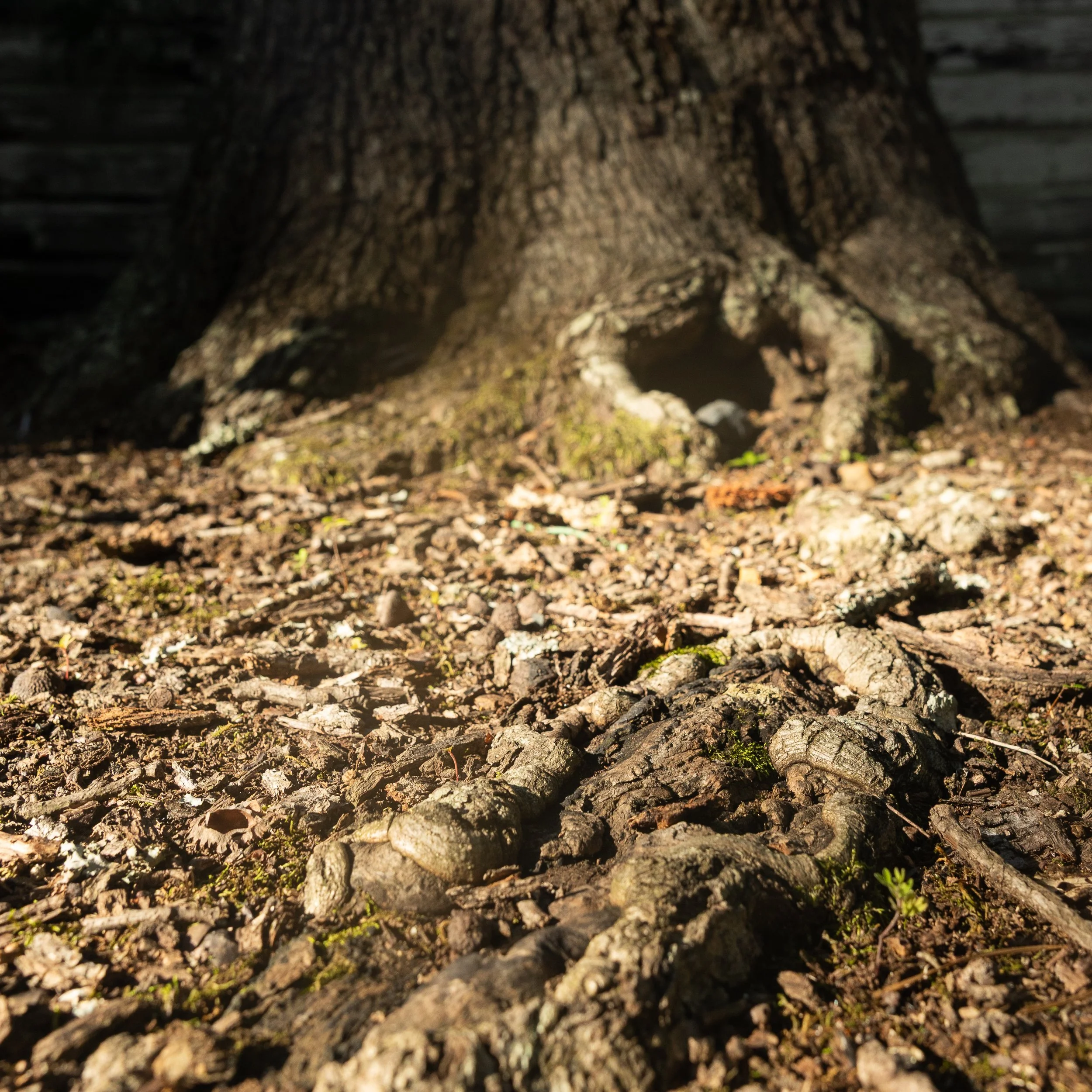
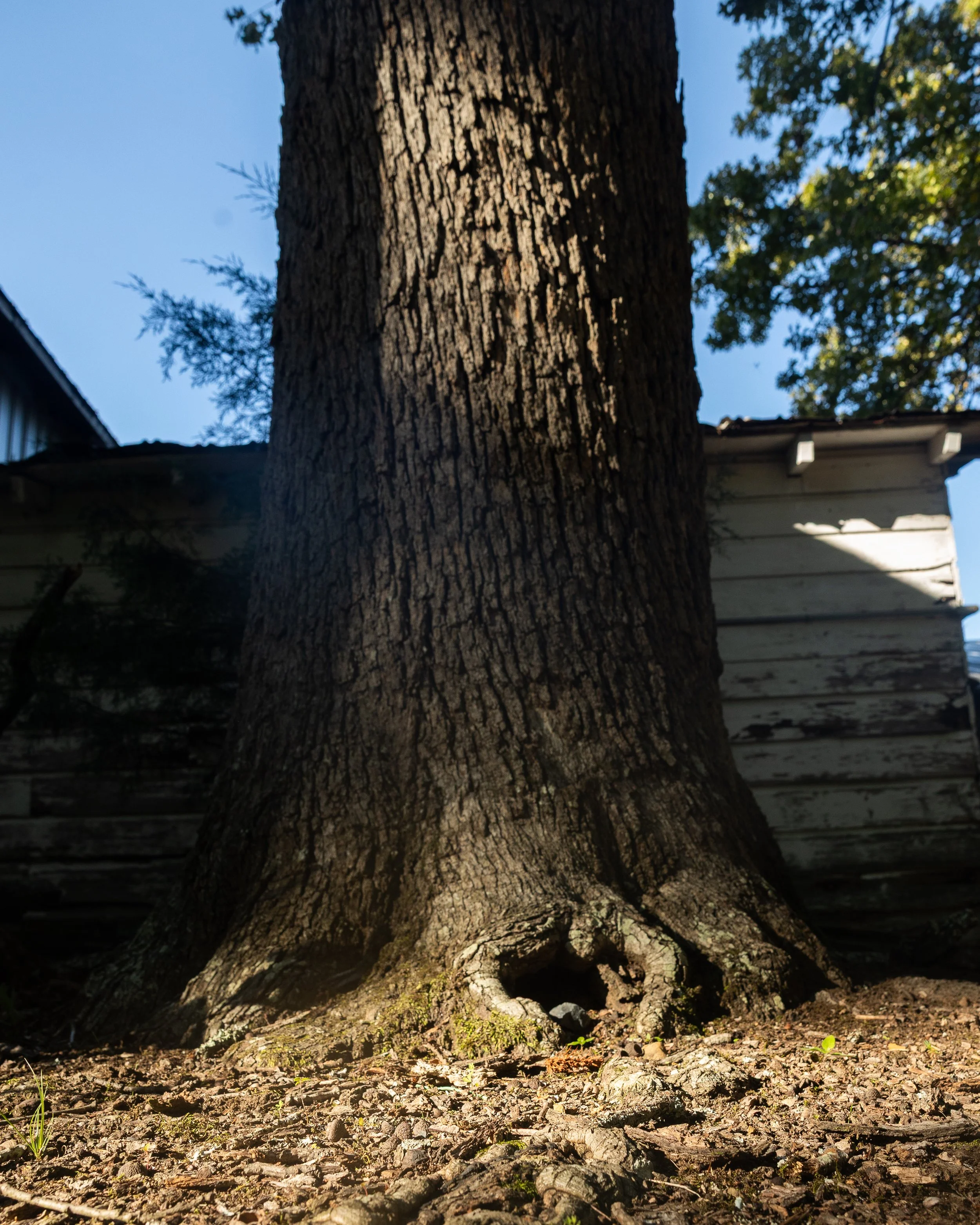
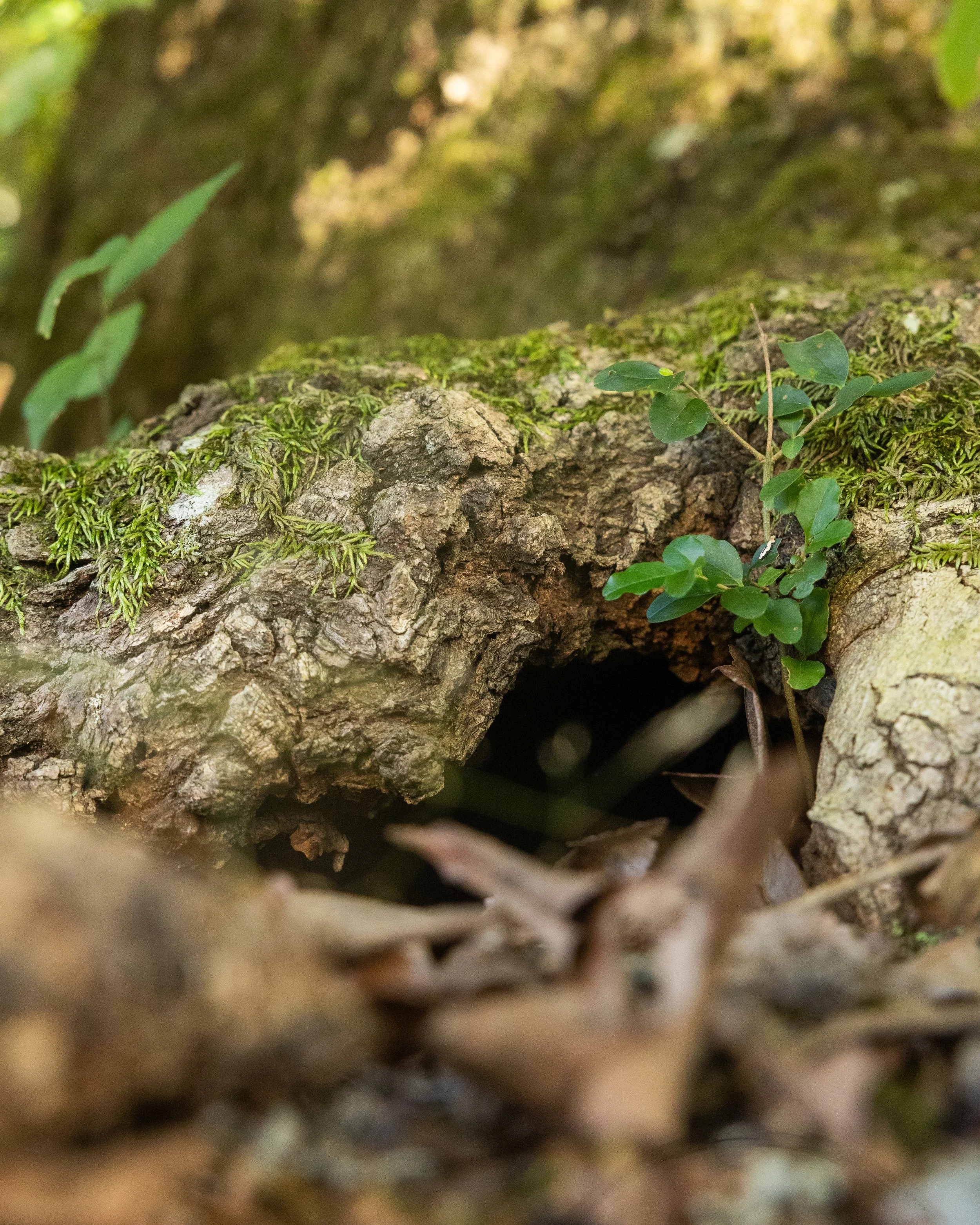
Trees don't usually have a name a whole street recognizes, or a following. This stand did — mature trees in Terrasse-Vaudreuil, on Montreal's western edge, that residents had watched turn color every October for decades. When development pressure put them at risk, the pushback didn't start in a courtroom. It started on Facebook.
Neighbors organized the way neighbors do now: posts, shares, a petition, pressure on the people who actually vote on permits. Not a lawsuit. Not a claim that the trees themselves had standing to be heard in court. A request that the town act.
A council facing that kind of pressure has an easy option and a harder one. The easy option is a proclamation — a statement, a plaque, a symbolic vote that costs nothing and changes nothing the next time a permit crosses a desk. Terrasse-Vaudreuil took the harder option.
The resulting resolution didn't declare the trees legal persons, the way a Quebec river was declared one in 2021. It reclassified them — folding their protection into the town's existing permitting machinery: mandatory review before removal, a replacement ratio if one comes down, a green-infrastructure designation checked every time someone applies to build nearby.
A proclamation only works if someone remembers to enforce it. A permit requirement works by default — it's already sitting in the workflow the next contractor has to go through, whether or not anyone in town hall still remembers why it's there. The protection stopped depending on people caring and started depending on paperwork existing.
That distinction matters more than it sounds like it should. A river granted legal personhood carries a claim that can be argued — and, in principle, overturned — in court. A tree folded into permit review isn't asking anyone to believe it has interests. It's just harder to remove than it used to be. Less philosophy, more inconvenience. That's usually the more durable kind of protection.
None of this required a new idea about what a tree is. It required people willing to be a nuisance at the right meetings, and a council willing to spend a little bureaucracy on it.
The trees on that street aren't persons now, and nobody argued they should be. They're just harder to cut down than they were last October — not because the town changed its mind about nature, but because it changed its paperwork.
Sourced: resident posts and local coverage, Terrasse-Vaudreuil, QC — [swap in your saved Facebook/Instagram links and any local news coverage here before publishing] · Contrast reference: Magpie River legal personhood, Quebec, 2021 — [verify and link before publishing]