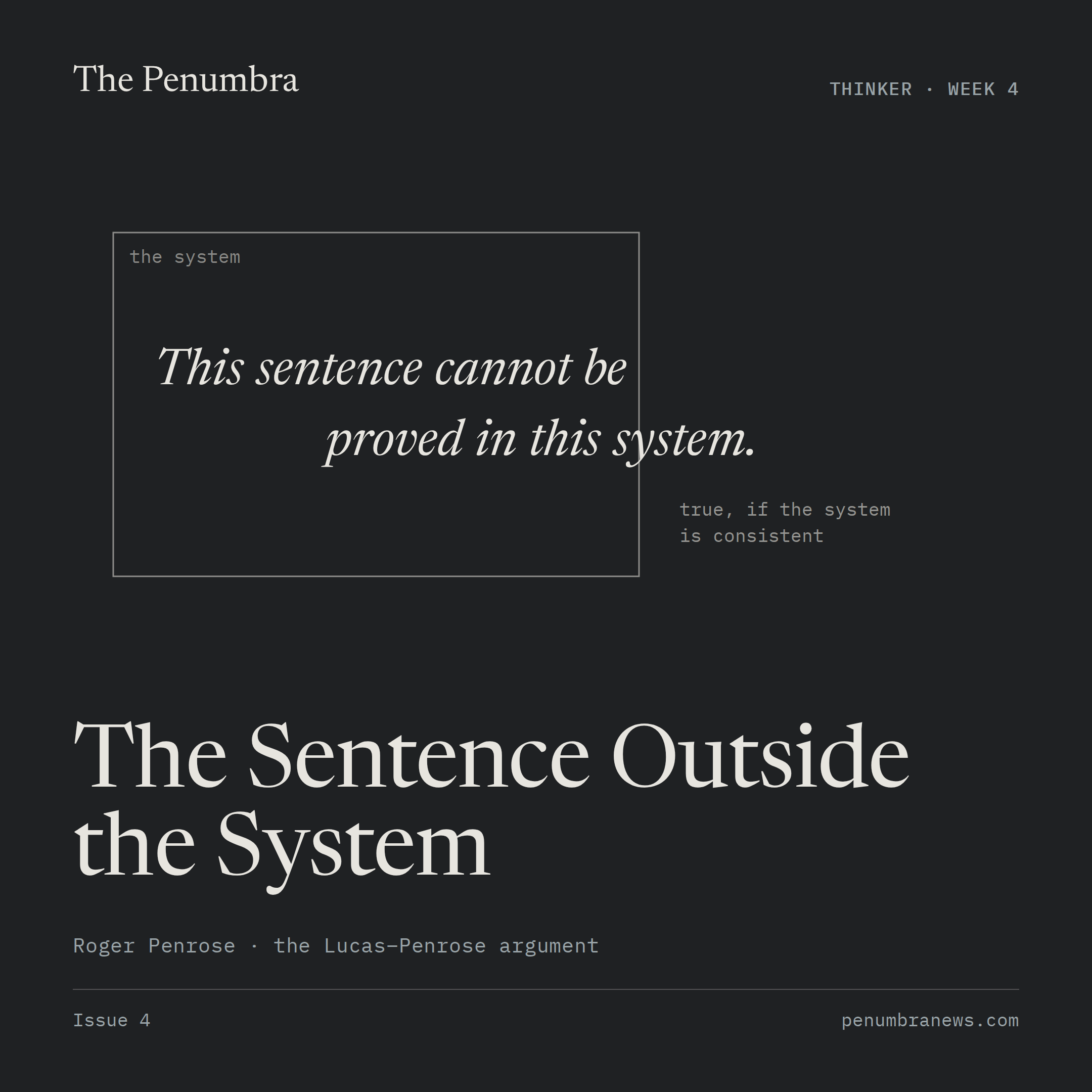
The Sentence Outside the System
Is understanding just computation with more steps? Roger Penrose says no, and his case runs through Gödel. The weakest point in it comes first.
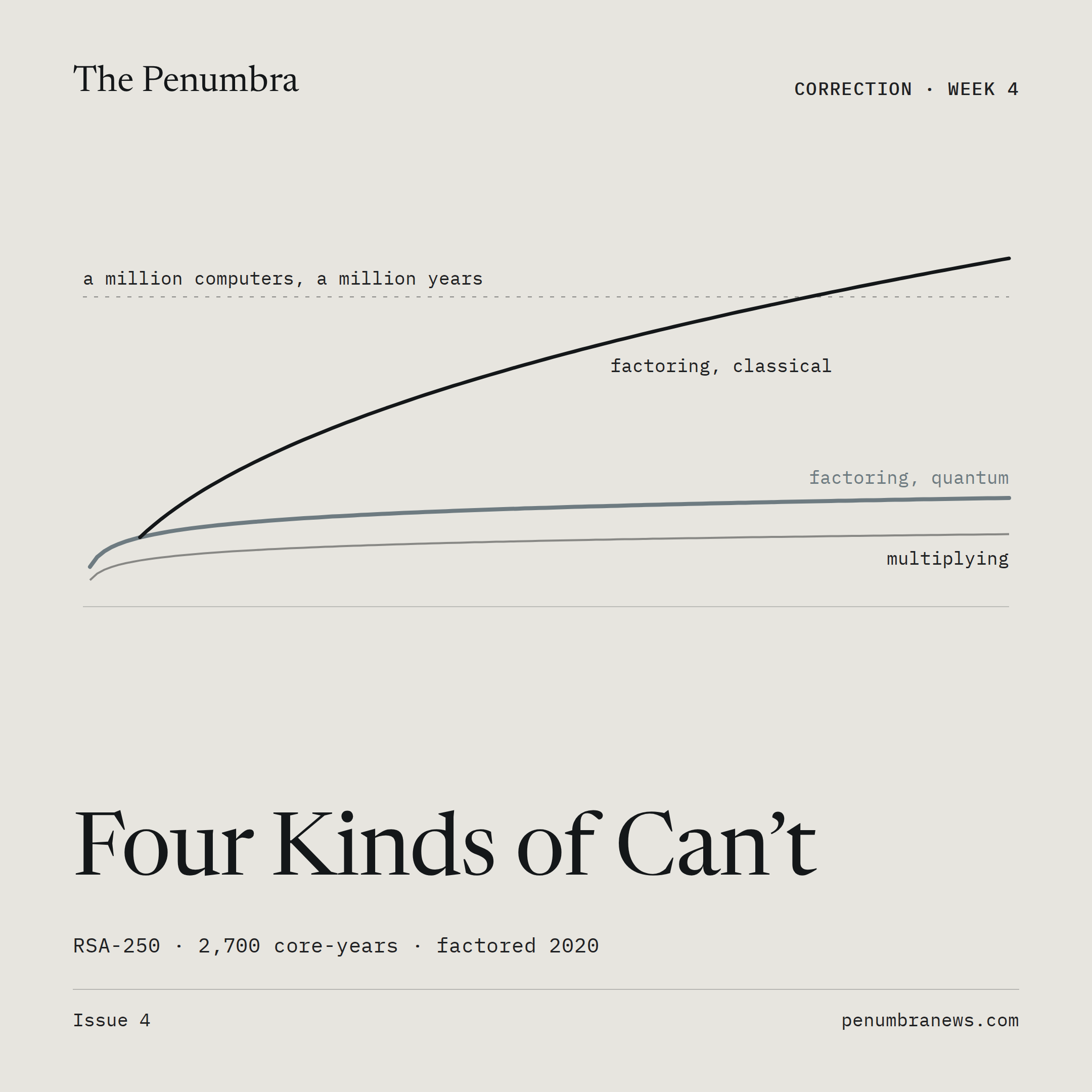
Four Kinds of Can’t
A million computers running for a million years could not factor a 250-digit number. The line is false, and the number that makes it true shows why "impossible" means four different things.
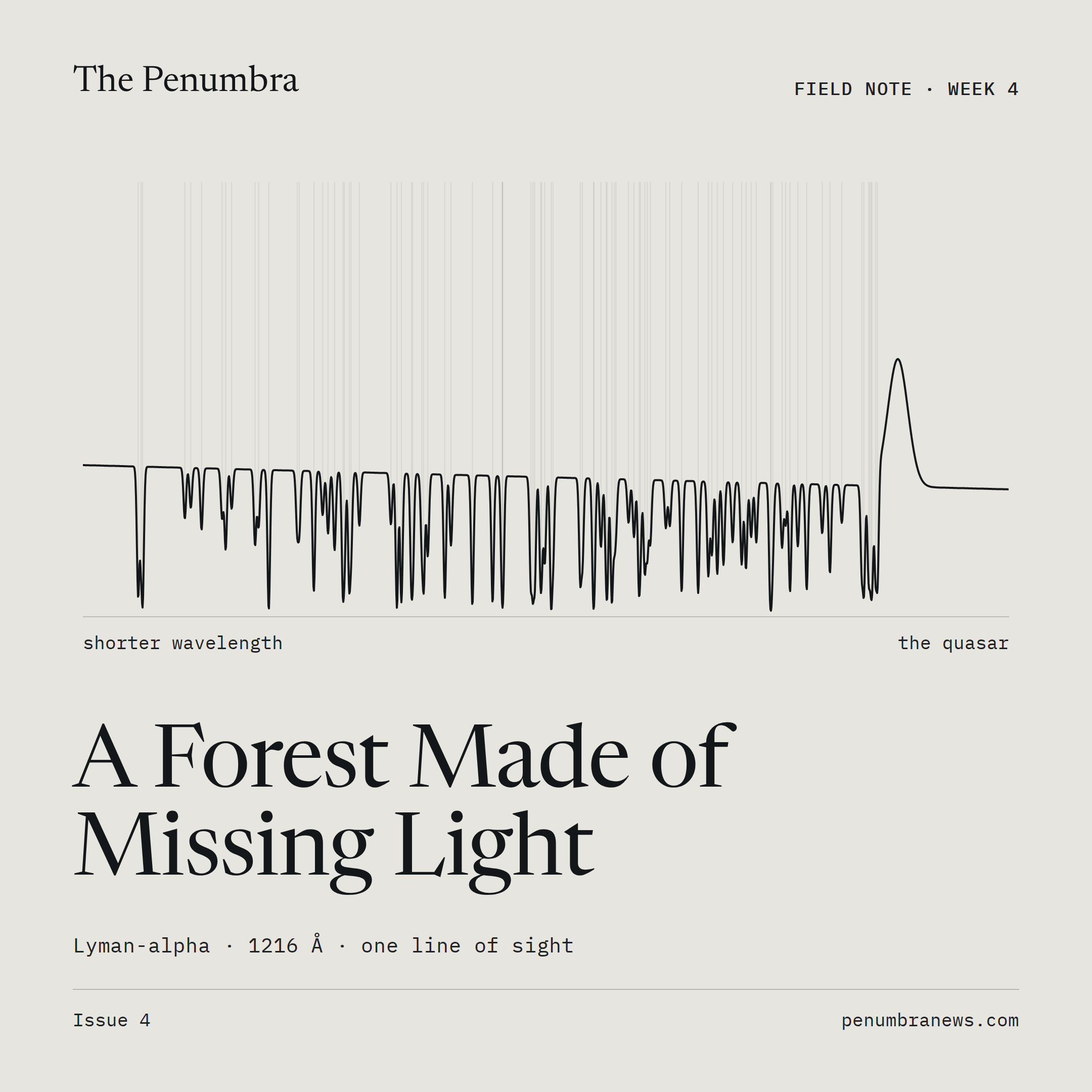
A Forest Made of Missing Light
In 1970 an astronomer found hundreds of dark lines in a quasar's light and called them a forest. The name holds in one respect and fails in three, and string theory's first real chance in decades of being shown wrong now runs through it.
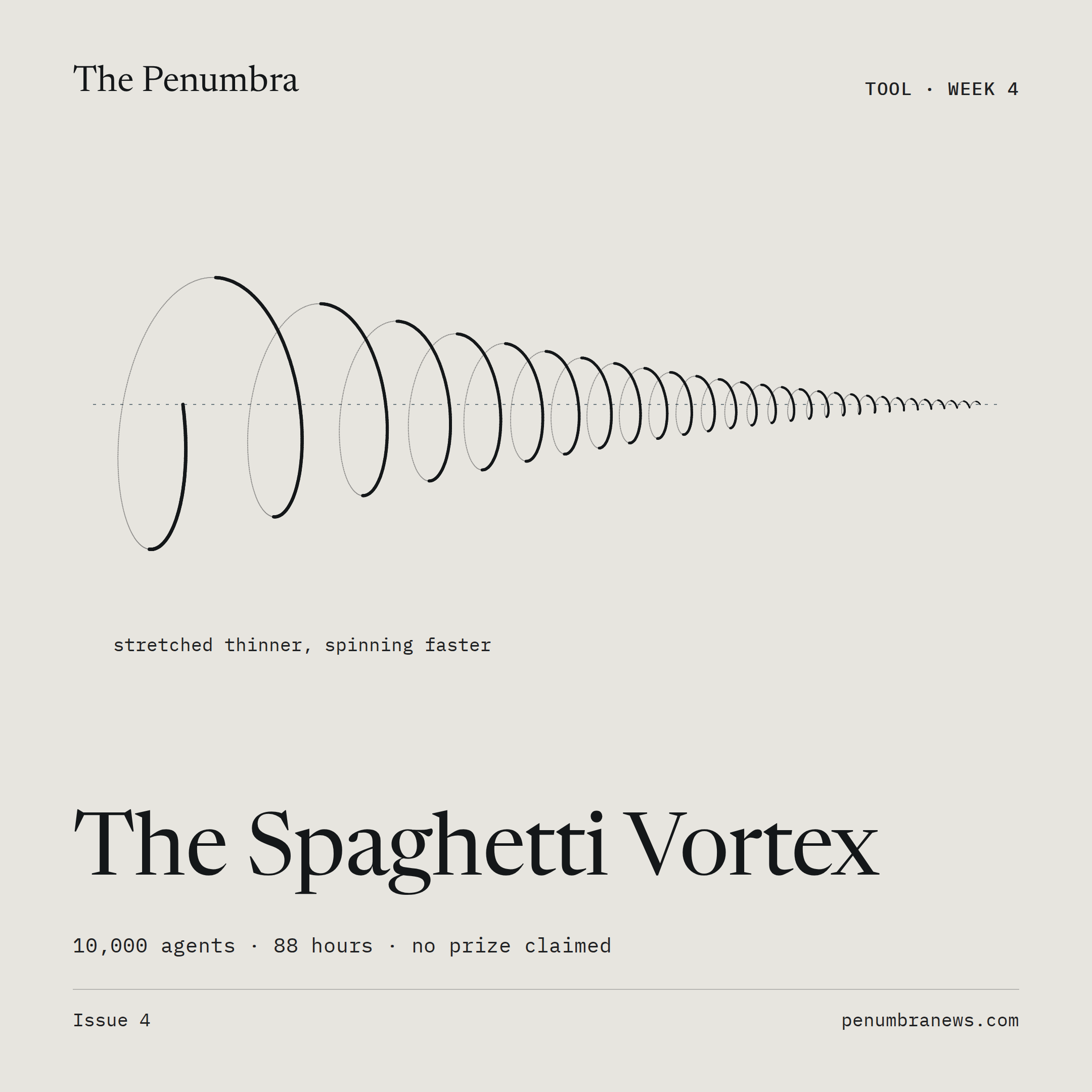
The Spaghetti Vortex
Ten thousand software agents found a point where the equations for moving fluid stop giving answers. The fight over credit is the least of it. The question underneath is what happens inside a cloud.:
Third largest pile
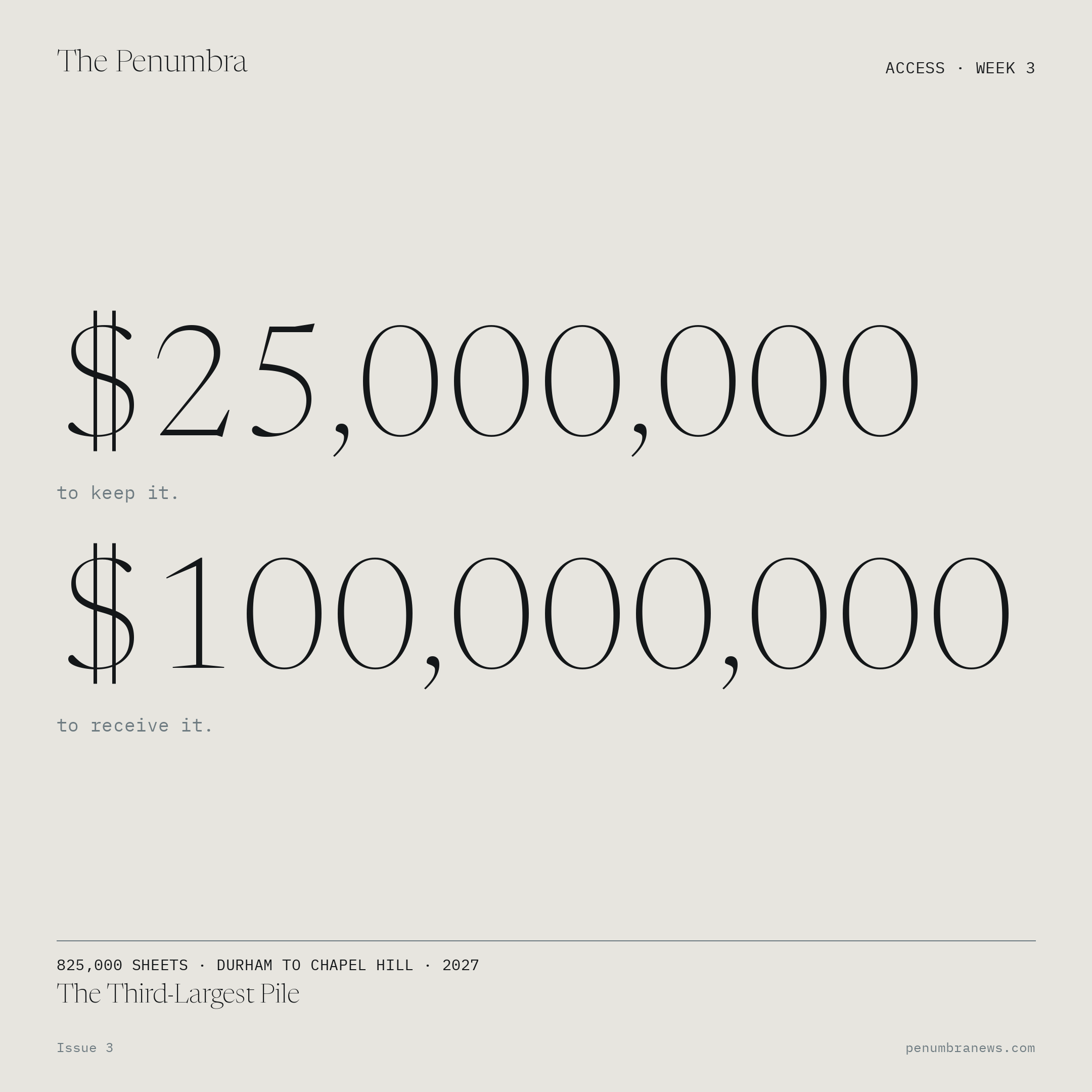
825,000 pressed plants are moving from Durham to Chapel Hill. Whether they arrive at a herbarium or a pile depends on money not yet raised and curators not yet hired.
The Root Gets Harder
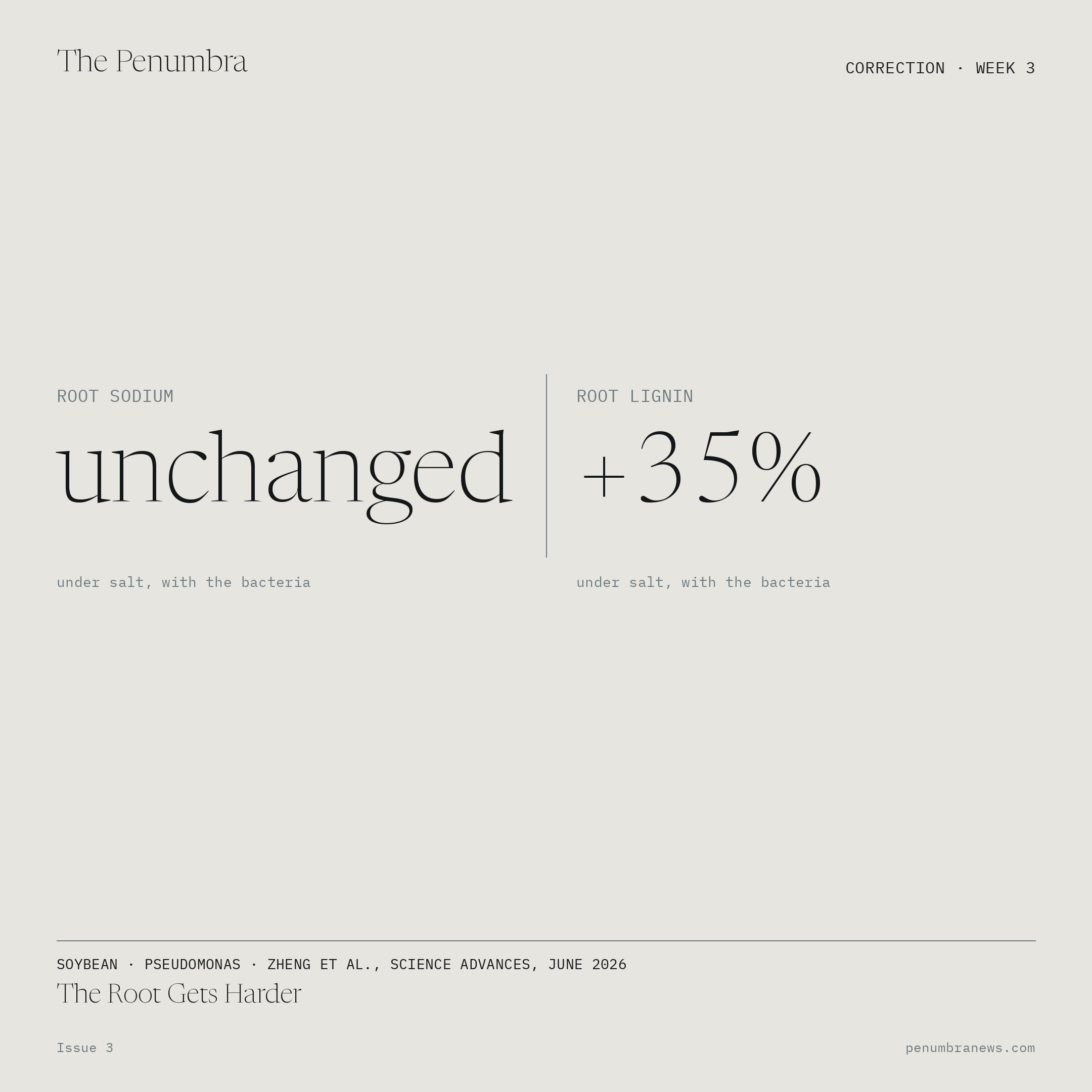
Soil bacteria were assumed to help salt-stressed plants by managing sodium. A soybean study found they never touch it. They make the root build more wood.
The question nobody can win.
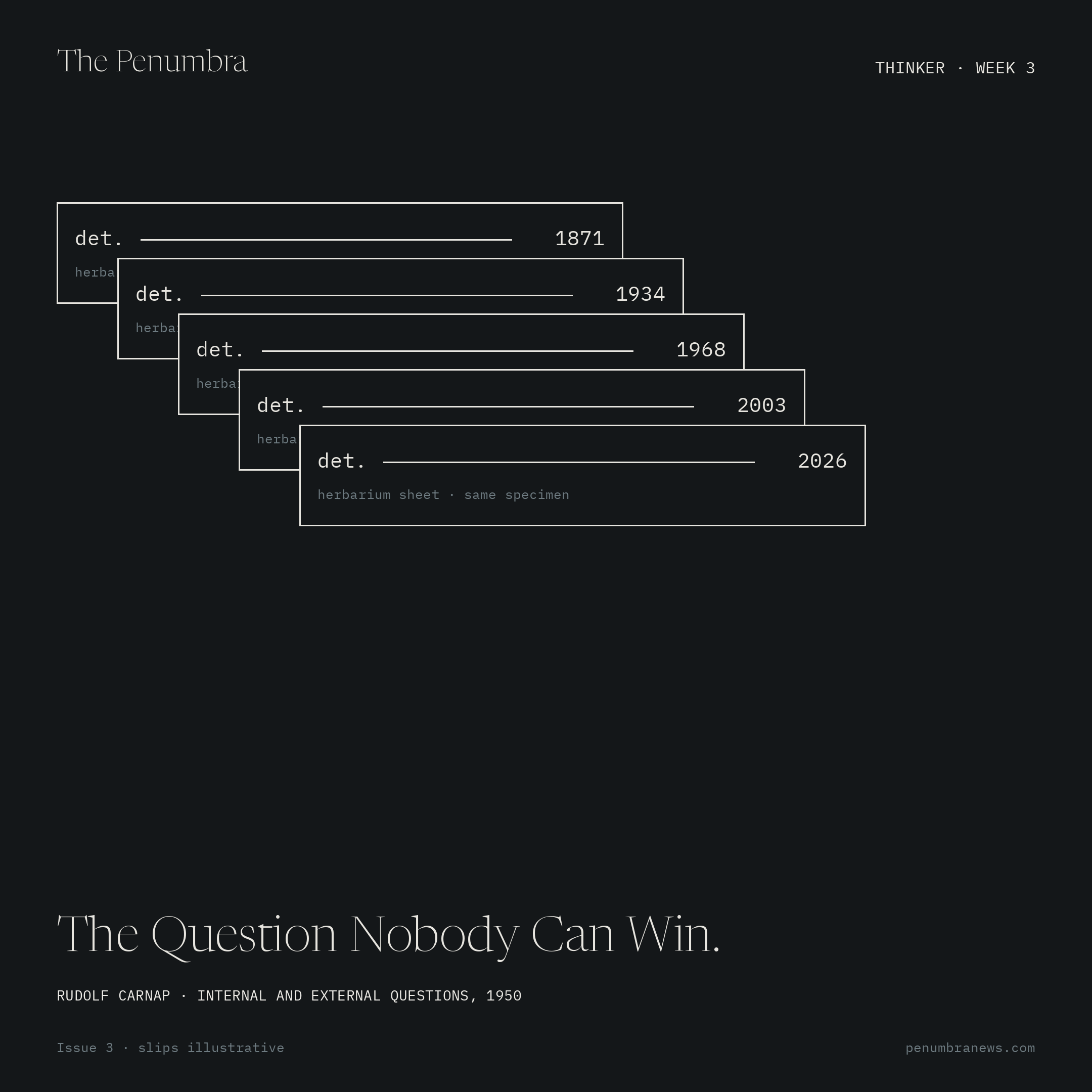
Two botanists, one pressed plant, an argument running since Linnaeus. Rudolf Carnap explained why it can't be settled, and how to tell that kind of argument from one that can.
Optional Leaves
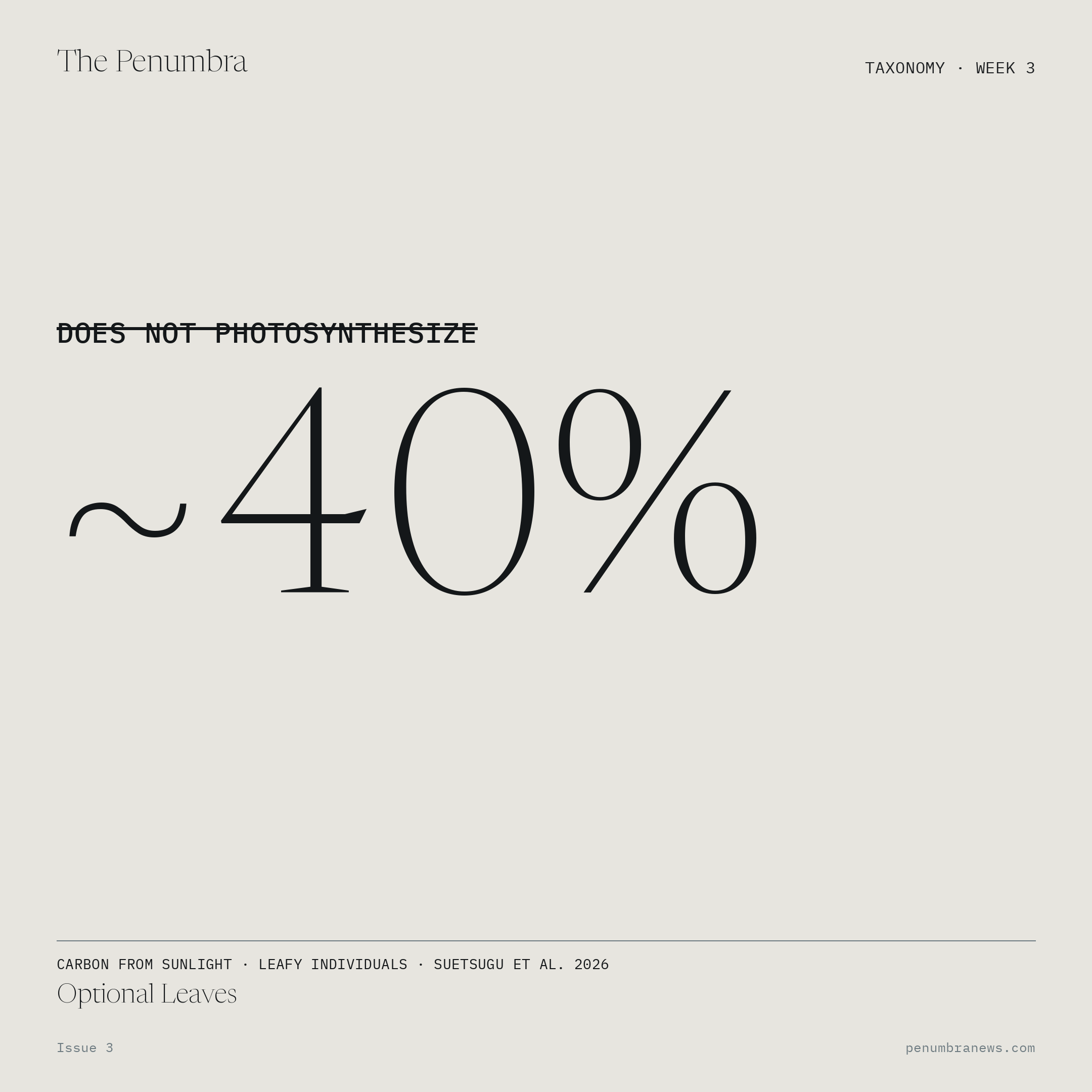
A Japanese orchid was filed as a plant that gave up sunlight, judged by its missing leaves and its violet colour. Some of them grow a leaf. The leaf works.
The Poison Factory
Researchers have traced the six-enzyme assembly line wolfsbane and larkspur use to build atisinium, a toxin now being explored for pain, malaria, and cancer, and then run that same line inside tobacco plants. Aconitine, its close relative, was isolated in 1834 and has never been synthesized in a lab; the instructions were in the genome the whole time, waiting for someone to read them in order.

Size First, Then Detail
A new system identifies carbonized seeds at ninety percent accuracy. It got there by being told the one thing every general-purpose classifier throws away: how big the seed actually is.

The Physicist Who Asks What Can’t Happen
The physicist who asks what can’t happen, and why a seed is the best place to ask it.

The Corpse Is a Workshop
A flower is what the plant looks like while it makes the seed. A corpse is what it looks like while the seed does the work.

The 1:4 Rule
A Costa Rican epiphyte arrived in the tent already flowering. Its leaves follow one rule, its flowers follow another, and the genus holding both is younger than the compact disc.
Nobody Cut This
The third grant phase was written in 2021 with an end date on it, and the end date is arriving on schedule. What breaks is a storage layer that a great many institutions treated as permanent because it kept working.

What Synergetics Explains, and What It Only Describes
Hermann Haken built a mathematics of self-organization out of laser physics, and it works. It also expanded into psychology, medicine, and city planning, and a Nobel laureate said in print that the whole field had no theory underneath it. Nobody ever really answered him. This magazine runs on Haken's idea anyway, so here is the case against it first.
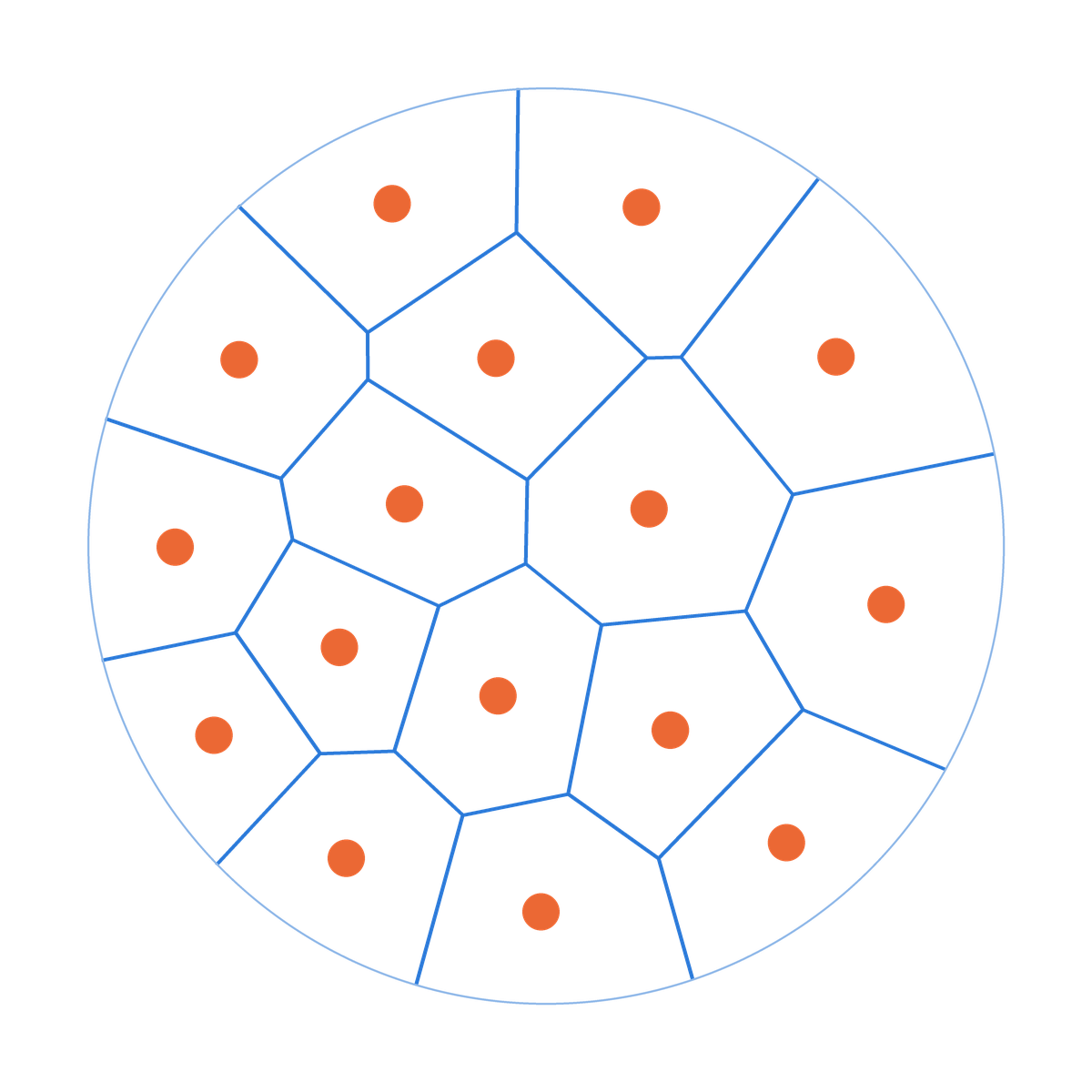
The Chinese Money Plant Is Doing Geometry
A common houseplant turns out to divide its own leaf the way a city divides school districts. The interesting part is what it takes to prove that.

Sixteen Percent
Ten herbaria hold an estimated 16.5% of the world's plant specimens. Here's where — and why it matters.